When the Martinez family decided it was finally time to renovate the exterior of their home, they thought the process would be straightforward. Years of sun, rain, and changing seasons had left the aging façade looking tired, and replacing it seemed like the obvious next step.
Then the estimates arrived.
One contractor recommended new stucco. Another suggested replacing the entire exterior with modern siding. The numbers weren’t identical, and neither were the explanations. One emphasized durability. Another highlighted maintenance. A third spoke about energy efficiency and resale value.
Suddenly, the family’s simple question—“Is stucco cheaper than siding?”—no longer had a simple answer.
As they compared proposals spread across the kitchen table, they realized they weren’t choosing between two prices. They were choosing between two very different approaches to protecting and defining their home.
“The best remodeling decisions rarely begin with the lowest estimate—they begin with understanding the bigger picture.”
Sometimes the most valuable discovery during a renovation isn’t finding the least expensive option—it’s learning which investment will continue paying dividends long after construction ends.
Discovering the Real Question
Like many homeowners, the Martinez family initially focused almost entirely on installation costs. After all, remodeling budgets have limits, and every major decision influences countless smaller ones. Cabinets, windows, landscaping, and even future vacation plans suddenly seemed connected to whichever exterior material they selected.
The first contractor walked slowly around the house, pointing to aging finishes and discussing the advantages of applying a new stucco system. Stucco, he explained, creates a continuous exterior surface capable of delivering a distinctive appearance that complements many architectural styles, particularly Mediterranean, Spanish, and Southwestern homes.
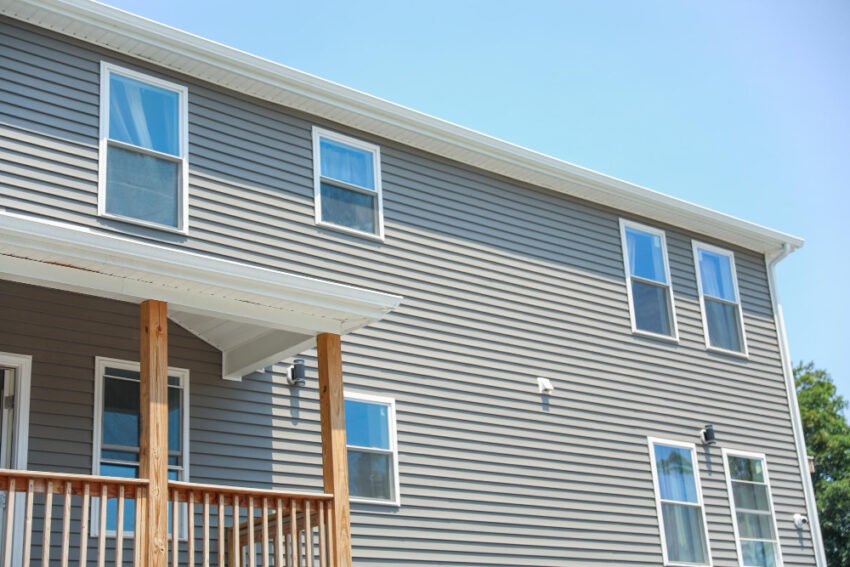
A few days later, another contractor arrived with large siding samples in several colors and textures. Rather than emphasizing appearance alone, the conversation centered on versatility. Modern siding products, he explained, come in numerous materials—from vinyl and fiber cement to engineered wood—allowing homeowners to balance cost, durability, maintenance, and architectural style.
Listening to both conversations revealed something important. Each contractor wasn’t simply recommending a material—they were describing an entirely different philosophy of exterior remodeling.
As more estimates arrived, patterns began to emerge.
Some stucco proposals carried competitive installation costs, particularly for homes already finished with stucco. Other estimates became noticeably higher when repairs to existing wall systems or specialized finishing techniques were required.
The siding estimates varied just as much. Vinyl generally represented one end of the pricing spectrum, while premium fiber cement and engineered wood products required larger initial investments. Material selection clearly influenced cost as much as the broader choice between siding and stucco.
For the first time, the homeowners realized their original question might actually be incomplete.
Instead of asking, “Which material costs less?”, they began asking something much more useful:
“Which exterior will provide the greatest value over the next twenty or thirty years?”That small change in perspective transformed the entire remodeling conversation.
Rather than comparing only contractor estimates, the family started considering what daily life would actually look like after the renovation. Would one material require more maintenance? How would each perform during changing weather? Would future repairs be straightforward? Which option best matched the home’s architecture?
The project was no longer becoming a simple cost comparison. It was evolving into a long-term investment strategy.
With their priorities becoming clearer, the next phase of the journey focused on understanding something the original estimates barely addressed: the lifetime cost of owning each exterior—not just the price of installing it.
Looking Beyond the Price Tag
The following weeks were spent asking better questions instead of simply requesting more estimates. The family visited recently completed projects, spoke with contractors, and researched how different exterior materials performed over decades rather than just during the first year after installation.
One lesson became clear almost immediately: comparing installation prices alone rarely tells the whole story.
Stucco can be an economical solution in certain situations, particularly on homes already designed for stucco or in regions where skilled installers and materials are readily available. In other cases, repairing damaged substrates, preparing wall surfaces, or applying multiple finish coats may increase project costs.
Siding followed a similar pattern. Vinyl siding often represented one of the more affordable installation options, while premium fiber cement or engineered wood siding required a higher initial investment. Yet each material offered different advantages in durability, maintenance, and long-term appearance.
The family slowly realized they weren’t comparing one product against another—they were comparing entire ownership experiences.
Climate also entered the discussion.
Neighbors who had lived in the area for years shared their experiences with seasonal weather, moisture, and ongoing exterior maintenance. Some praised stucco’s solid, seamless appearance and excellent performance in dry climates. Others preferred siding because individual panels could often be repaired or replaced more easily if damage occurred.
Energy efficiency became another consideration. Although insulation, air sealing, and proper installation generally play a greater role in a home’s overall energy performance than the exterior finish alone, the family learned that a professionally installed exterior system—whether stucco or siding—contributes to protecting the building envelope and improving long-term comfort.
“A home’s exterior isn’t just an expense—it’s protection that shapes everyday living.”
Maintenance proved equally important.
Stucco may require periodic inspections and crack repairs to prevent moisture intrusion, particularly as homes naturally settle over time. Siding maintenance varies depending on the material selected. Vinyl typically requires occasional cleaning, while fiber cement may eventually need repainting after years of exposure. Engineered wood offers its own maintenance schedule designed to preserve both appearance and performance.
The lowest installation cost no longer seemed like the most meaningful number. The family had begun measuring value across decades instead of months.
Choosing What Lasts
Several weeks after receiving the first estimate, the decision finally felt much simpler—not because one material had become dramatically cheaper, but because the family’s priorities had become much clearer.
Instead of searching for a universal winner, they focused on selecting the exterior that best matched their home’s architecture, local climate, maintenance expectations, and long-term ownership plans.
They recognized that both stucco and modern siding systems could provide excellent performance when properly designed and professionally installed. The “better” choice depended on how each material aligned with the realities of their particular project rather than on a single price comparison.
Good remodeling decisions are rarely driven by numbers alone. They emerge when practical performance, thoughtful design, and long-term planning come together.
Looking back, the homeowners appreciated how much their perspective had evolved. Their original question—“Is stucco cheaper than siding?”—had opened the door to far more valuable conversations about durability, maintenance, climate, appearance, repairability, and lifetime ownership costs.
They also gained a new appreciation for professional guidance. Contractors who explained installation methods, moisture management, and maintenance requirements provided far more useful information than those who discussed price alone. That knowledge gave the family confidence that their investment would continue protecting the home long after construction was complete.
In the end, they discovered there was no single answer that applied to every house. Stucco may offer competitive installation costs in some markets and for certain architectural styles, while siding may be the more economical choice in others depending on the material selected, labor costs, and local conditions.
Answering “Is stucco cheaper than siding?” ultimately requires looking beyond the initial estimate. Installation costs are only one piece of the puzzle. Long-term maintenance, repair needs, energy performance, climate suitability, durability, and overall value all deserve equal consideration. When homeowners evaluate the complete picture instead of focusing solely on upfront cost, they’re far more likely to choose an exterior that protects both their home and their investment for decades to come.